

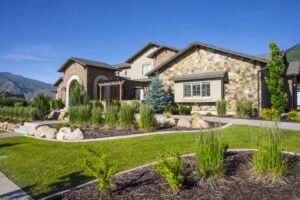
 Pest infestations typically originate outdoors, beginning with the landscape. For rental property owners, how the yard is designed and maintained plays a significant role in whether pests perceive the property as a home or a danger. Before pests ever reach the building, rental pest prevention aims to reduce potential hiding spots, moisture, and food sources. Owners can lower infestation risk, reduce extermination costs, and safeguard both property value and tenant satisfaction by maintaining clean yards.
Why Landscaping Is a Front-Line Defense Against Pests
Pest infestation originates externally and goes inside. For instance, a lot of the most common pests rely on outdoor spaces to construct their nests, reproduce, and infiltrate buildings. Actually, overgrown plants, damp soil, and untidy yards create ideal conditions for insects and rodents to thrive.
It seems reasonable, consequently, that one of the most effective ways to reduce pest infestation is to change the environments where they like to thrive. Rental property owners should meticulously assess their property’s landscaping and implement any significant modifications. Optimistically, you can more effectively address pest problems before they escalate by considering landscaping as an integral component of your comprehensive pest-prevention strategy.
Keep Plants and Shrubs Clear
One of the ideal methods to start with keeping pests away from the rental home is to provide a separation between landscaping greenery and the home’s exterior. Suppose you have shrubs, trees, and vines that touch siding, roofs, or windows; they act as natural conduits for insects, facilitating their entry. Eliminating these easy access points might enhance air circulation within the residence by creating a discernible gap between greenery and structures. By doing so, trimming your rental property consistently makes it less appealing to insects and rodents.
Choose Mulch Wisely (and Use It Sparingly)
Mulch is advantageous for flower beds, aiding in moisture retention and enhancing aesthetics. However, if you utilize too much mulch or the improper sort, it can also attract pests. Unhappily, dense layers of organic mulch serve as excellent habitats for insects and small animals.
Implement the following measures to render your yard less attractive to these pests:
- Utilize mulch sparingly and maintain distance from foundations
- Thinking about gravel or stone alternatives near structures
- Avoiding constant moisture buildup in landscaped beds
This approach empowers you to maintain your property’s curb appeal while deterring detrimental pests.
Improve Drainage to Eliminate Moisture Problems
Stagnant water is another common issue that attracts pests. Puddles and pooling water entice mosquitoes, termites, and other moisture-loving pests. This can rapidly result in numerous pests.
The most effective way to eliminate these pests is to implement minor modifications to your landscaping that promote proper drainage. For instance, make sure your landscaping has proper grading, unobstructed downspouts, and well-positioned drainage systems. These small enhancements can significantly reduce pest activity outdoors and prevent their intrusion indoors.
Rethink Lawns and Ground Cover
Lawns and ground cover are aesthetically pleasing; nevertheless, they also attract unwanted pests. This is particularly accurate if they are not maintained regularly. Insects may conceal themselves beneath thick grass, leaf accumulations, and unmanaged ground cover. This makes maintenance like routine mowing and seasonal cleanup increasingly essential, as they prevent common pests from establishing nesting sites.
If lawn maintenance is a concern, consider selecting aesthetically pleasing yet functional hardscaping elements instead. For example, decorative stone, gravel borders, stone pathways, and clear perimeters around foundations can enhance a yard’s appearance while reducing both maintenance and hiding spots for pests. Hardscaping can be employed independently or in conjunction with vegetation to create an aesthetically pleasing environment. Regardless of circumstances, consistent landscape maintenance is the most effective strategy to render your property less attractive as a long-term habitat for unwanted pests.
Smart Management Leads to Fewer Pest Problems
Well-conceived landscaping transcends mere aesthetics. It’s also about protecting your property from unwanted pests. By emphasizing pest prevention, landscaping, and consistent landlord yard maintenance, it is possible to reduce infestations, decrease maintenance costs, and keep your tenants comfortable.
If you’re prepared to upgrade your rental property’s landscaping strategy, contact your local property management experts in Northbrook office now. Our personnel can assist rental property owners in ensuring the security of their properties through smart landscaping choices. Contact us online or call 312-265-0660.
This content is provided for general informational and educational purposes only and does not constitute financial, legal, tax, or investment advice. Readers should consult with licensed professionals regarding their specific circumstances.
We are pledged to the letter and spirit of U.S. policy for the achievement of equal housing opportunity throughout the Nation. See Equal Housing Opportunity Statement for more information.
